Advanced Driving
I’ll be honest — when I first heard the phrase “advanced driving,” I assumed it was strictly for ex-traffic cops and people who own driving gloves. In reality, it’s open to any driver with a full UK driving licence, and once you understand what it actually involves, it’s hard to argue it isn’t worth doing.
Here’s what this piece covers:
- What advanced driving actually is, in plain terms
- How the IPSGA system works in a real-world scenario
- Whether IAM RoadSmart or RoSPA is the right route — and how to get started
The Short Answer
Advanced driving is a structured approach to car control built on concentration, observation, anticipation, and planning. It follows the same principles used by UK police drivers — rooted in Roadcraft: The Police Driver’s Handbook — and trains you to read the road far more deliberately than most drivers ever do. The result is a calmer, more methodical way of driving that goes well beyond what got you through your test.
What Makes It Different From Normal Driving?
Most of us passed our test, drove off, and assumed the job was done. Standard driving works — until you hit a wet roundabout at rush hour with a lorry blocking your sightline and realise you’re just reacting to whatever lands in front of you next.
Advanced driving flips that. Instead of responding to hazards as they arrive, you’re identifying and managing them before they develop. That’s the gap it closes — between a white-knuckle near-miss and a drive you barely remember was difficult.
A few things an advanced driver does that most drivers don’t:
- Scans far ahead — using junctions, hedgerows, and parked vehicles as clues, not just the car directly in front
- Checks mirrors systematically — before every change of speed or position, not as a reflex
- Positions deliberately — using road width to improve sightlines, not just following the lane
- Brakes progressively — planned, smooth stops, never a last-second stamp on the pedal
- Selects gears with intention — matched to speed and road situation, not habit
The attitude shift matters too. Advanced driving trains you to stop being irritated by other road users and start treating every drive as something you’re genuinely in control of. That’s a bigger change than it sounds.
The IPSGA System — The Engine Under The Bonnet
IPSGA sounds like an acronym someone invented to fill a textbook. In practice, it’s the mental rhythm advanced drivers run through at every hazard — from a school crossing to a busy roundabout. It’s not a rigid checklist; it’s a framework you eventually stop consciously thinking about.
Here’s how it plays out approaching a wet roundabout with a lorry merging from the right:
| Stage | What It Means | In Practice |
| I — Information | Take in, use, and give information | Check mirrors, read the lorry’s speed and position, signal if needed |
| P — Position | Get into the correct road position | Move to the right lane before the roundabout — not at it |
| S — Speed | Adjust speed for the hazard | Decelerate smoothly; no stamp on the brake because you left it too late |
| G — Gear | Select the right gear for that speed | Match the gear to your controlled approach speed |
| A — Accelerate | Power through once the hazard is clear | Smooth, progressive acceleration away — no drama |
That lorry was never a problem. You’d read it 200 metres back.
Who Is Advanced Driving Actually For?
The short answer: anyone with a full licence and a quiet suspicion their driving has got a bit comfortable. It’s aimed at capable drivers who want to get better, not at people who are struggling with the basics.
- Newly qualified drivers — ideal timing to build clean habits before the bad ones set in
- High-mileage commuters and sales reps — for whom fatigue and complacency are real, daily risks
- Drivers who’ve had a near-miss — and want a method behind the wheel, not just luck
- Anyone whose motorway confidence still isn’t quite right — years after passing their test
The Advanced Driving Test — What To Expect
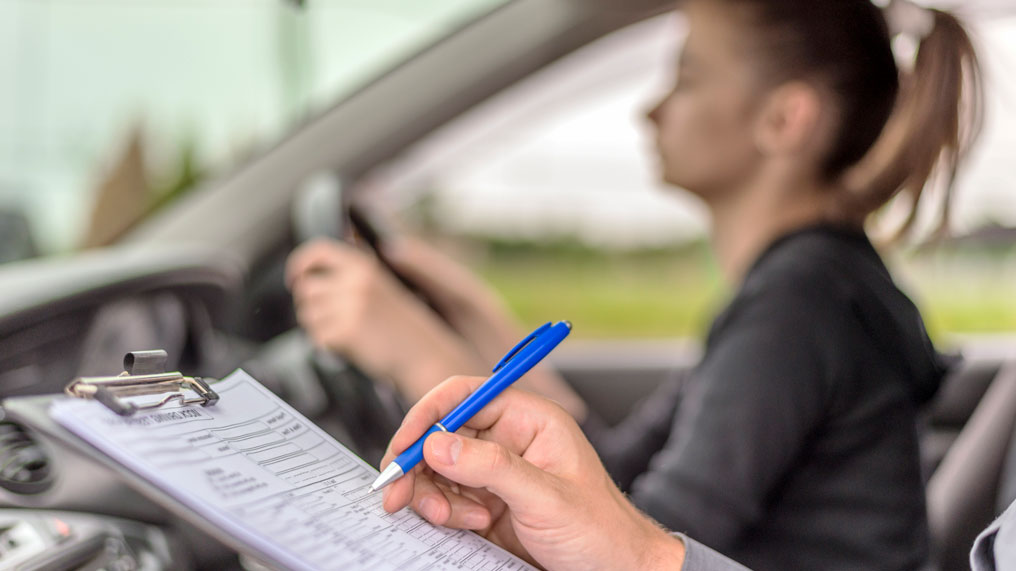
There are two main routes in the UK: IAM RoadSmart and RoSPA. Both are built on Roadcraft principles, but they suit different types of learner. One gives you structured coaching; the other is a self-directed path with a graded outcome.
| IAM RoadSmart | RoSPA | |
| Structure | 6–12 observed sessions + test | Self-prep using Roadcraft + graded test |
| Result | Pass / Fail | Bronze / Silver / Gold |
| Cost | £210 | Included in annual membership |
| Re-test | Optional | Every 3 years |
| Best for | Guided learners who want regular feedback | Self-directed drivers aiming for a graded standard |
The RoSPA Gold is widely regarded as the highest civilian driving standard available in the UK. For most people starting out, the IAM’s observed coaching model — where a trained volunteer rides with you and debriefs your session — is the more accessible entry point.
Is It Actually Worth Doing?
There’s a version of this section where I list “improved safety” and “better confidence” and we all nod and move on. The real benefits are more specific than that.
- Smoother braking and gear use cuts fuel consumption — planned driving is simply more efficient driving
- Some insurers offer reduced premiums for IAM and RoSPA qualification holders — worth raising at your next renewal
- Challenging conditions become manageable — motorway merges, heavy rain, and unfamiliar roads feel different when you have a clear method behind them
- The observation habits transfer — you’ll notice them kicking in long after you’ve parked up
And the one benefit no brochure mentions: you stop finding other road users irritating once you stop expecting them to behave the way you want them to.
How To Get Started
The route in is simpler than it looks. You need a full UK licence, a roadworthy car, and a willingness to hear that your mirror checks probably need work. (They almost always do.)
- Pick up Roadcraft — The Police Driver’s Handbook is the foundational text (£19.99, The Stationery Office). Read it before your first session — it makes the coaching twice as useful.
- Join a local IAM group — Pair you with a trained Observer who rides along in your own car and gives session-specific feedback on your driving, not generic tips.
- Complete your observed drives — typically 6–12 sessions, each followed by a structured debrief.
- Take the IAM test — assessed by a national examiner over approximately 90 minutes.
- Or go the RoSPA route — self-prep with Roadcraft, then apply for a graded test through your regional group.
Where This Leaves You
Advanced driving won’t turn you into a different person behind the wheel — it makes you a more deliberate one. The skills build quietly over a handful of sessions, and drives that used to feel tense start feeling routine once the habits settle in.
- Read Roadcraft first — it reframes everything you thought you knew about car control
- Join a local IAM group to get real, session-by-session feedback from a trained Observer
- Consider RoSPA if you want a graded result and a structured reason to re-test every three years
- Check your insurer — an IAM or RoSPA pass may reduce your premium at renewal